Care · 3 min read
How to Store Perfume So It Lasts
Heat, light and oxygen do most of the damage. Where to keep your bottles, which notes fade first, and what to check in a second-hand bottle.
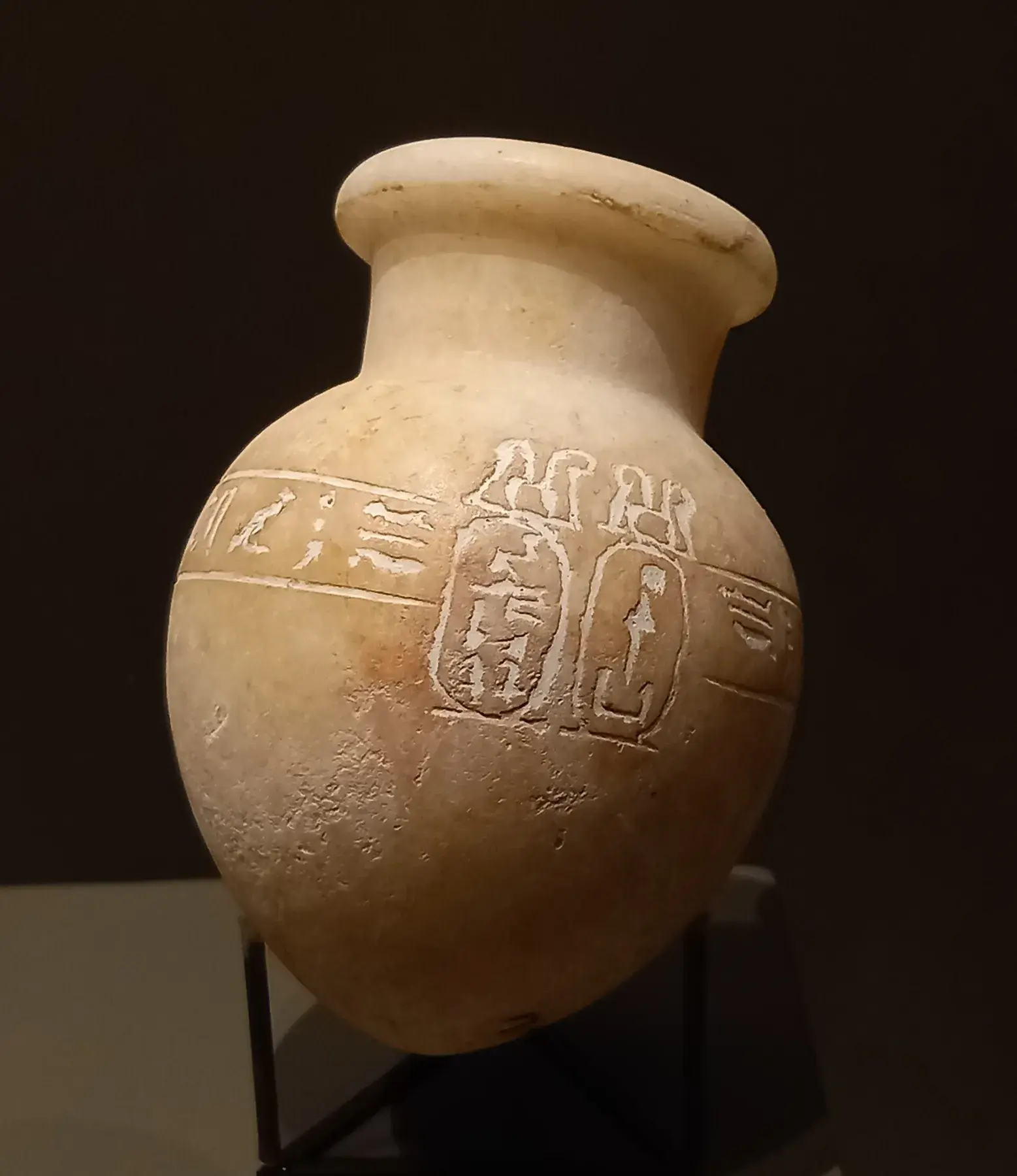
Perfume is a mix of fragile aromatic molecules dissolved in alcohol. Treated well, a bottle can stay good for many years. Treated badly, it can turn in a single summer. Three things do most of the damage: heat, light and oxygen.
Heat
Heat speeds up the chemical reactions that break down fragrance materials. Store perfume somewhere that stays at a steady, moderate room temperature. Avoid the bathroom, where showers create heat and humidity swings, and avoid glove boxes, windowsills, and shelves near radiators or heating vents. Steady temperature matters as much as low temperature. A bottle that warms and cools every day ages faster than one kept in a cool closet.
A dedicated wine or beverage fridge can work for collectors. A kitchen fridge that is opened all day is less ideal, and condensation can damage labels and boxes. For most people, a dresser drawer or closet shelf works fine.
Light
Ultraviolet light breaks down many perfume molecules and can change the color of the liquid. Clear bottles on a sunny dresser are most at risk. Keep bottles in their boxes, in a drawer, or in a cabinet with a door. If you like to display your collection, choose a spot that never gets direct sun.
Oxygen
Every time you spray, a little air enters the bottle. As the bottle empties, the air space grows and oxidation speeds up, which is why the last quarter of a bottle can smell different from the first. Keep caps on, open splash bottles only when you need to, and if you own a large bottle you rarely use, consider decanting some into a small atomizer so the main bottle stays closed.
Which notes go first
Top notes are the most fragile. Citrus oils, especially bergamot and lemon, along with aldehydes and some green notes, are often the first to fade or turn sour. A perfume that has gone off may open with a sharp, vinegary or nail-polish smell, or with a flat, stale citrus. The heart and base usually last longer, so an older bottle can smell fine after the first few minutes.
How long perfume lasts
Perfume has no strict expiration date. Many bottles stay in good shape for years after opening, and well-stored bottles of rich, resinous or woody fragrances can last far longer. Light citrus colognes tend to have the shortest life. In the EU, cosmetics often carry a period-after-opening symbol, an open jar with a number of months, which gives a cautious guide. Your nose is the best test.
What to check in a second-hand bottle
- Color: compare the liquid with photos of the same fragrance. Darkening can mean age or light exposure, though vanilla-rich perfumes darken naturally over time.
- First spray: ask the seller how the opening smells. Sourness or a harsh alcohol note in the first seconds is a warning sign.
- Sprayer: it should produce a fine mist without dripping or spitting.
- Residue: a sticky collar or crusty sprayer can mean the bottle has leaked or sat unused for a long time.
- Storage: ask where and how the bottle was kept, and for how long.
When your bottle arrives
Let a bottle that has been in transit sit at room temperature for a few hours before you judge it, then put it away somewhere cool and dark. Keep the box if you have it. It protects the bottle from light and helps if you decide to resell later.
If a listing leaves you with doubts, ask the seller before you buy, or choose a FoS Verified listing so the bottle is inspected before it ships. The Authenticity page and our guide to buying pre-owned perfume safely cover more of what to look for.