Legacy · 3 min read
The Legacy of Perfume: Houses That Shaped Modern Fragrance
Jicky, Shalimar, Chanel No. 5, Eau Sauvage, Angel, Cool Water and CK One: the launches that still shape what we smell today.
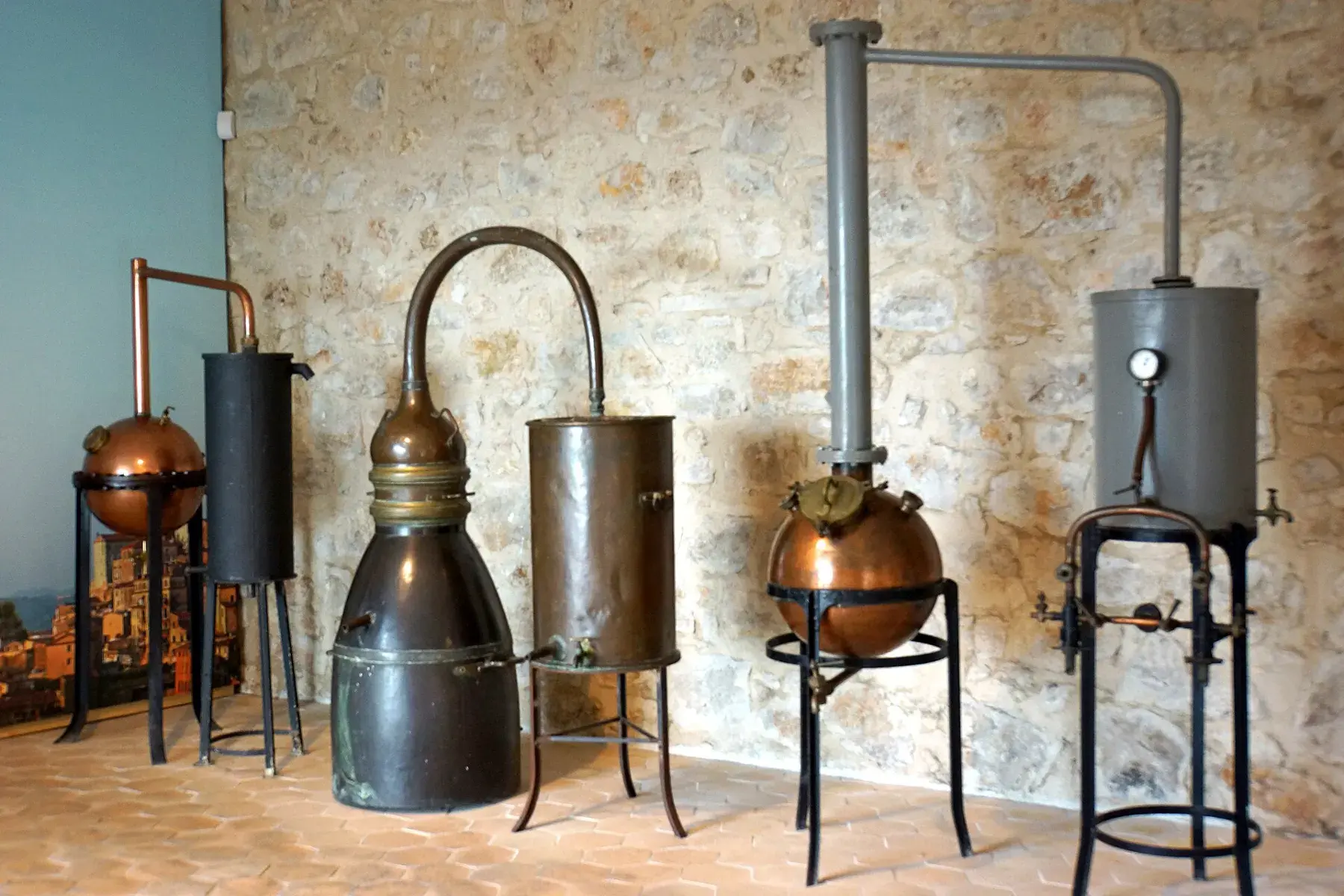
Much of what you smell at a perfume counter today traces back to a handful of houses and launches. They introduced new materials, new structures and new ways of selling scent. Knowing them makes it easier to understand why modern perfumes smell the way they do.
Guerlain and the first modern perfumes
Guerlain was founded in Paris in 1828 by Pierre-François-Pascal Guerlain. In 1889 Aimé Guerlain released Jicky, often called one of the first modern perfumes because it used synthetic materials such as coumarin and vanillin alongside naturals like lavender and bergamot. That mix of nature and chemistry is still how perfume is made.
In 1925 Jacques Guerlain released Shalimar, a smoky, powdery blend of bergamot, iris, resins and vanilla. It is a founding example of the oriental, or amber, family, and its generous use of ethyl vanillin helped set the template for the warm, vanilla-rich perfumes that followed.
Chanel No. 5 and the aldehydes
Chanel No. 5 launched in 1921, created by Ernest Beaux for Gabrielle Chanel. It used aliphatic aldehydes in a high dose, which gave a fizzy, waxy, abstract sparkle over jasmine, rose and a soft woody, powdery base. Aldehydes had been used before, but No. 5 made them famous and showed that a perfume could smell abstract instead of like a single flower. It became one of the best-known perfumes in the world.
Dior: Miss Dior and Eau Sauvage
Christian Dior launched Miss Dior in 1947, the same year as his New Look collection. The original was a green chypre with galbanum, florals and oakmoss. The name has since been used for different formulas, so a current Miss Dior smells quite different from the 1947 perfume.
In 1966 Dior released Eau Sauvage, by Edmond Roudnitska. It was one of the first major fragrances to use Hedione, a jasmine-like molecule developed by Firmenich, which gave a citrus cologne an airy, radiant glow. Hedione went on to become one of the most widely used materials in perfumery.
Creed
Creed presents itself as a family house with roots in 18th-century London, though fragrance writers have questioned parts of that history. Its modern influence is easier to pin down. Aventus, launched in 2010 with pineapple, birch and musk, became one of the most talked-about men's fragrances of its time and inspired a wave of fruity, smoky men's scents and imitations. Green Irish Tweed and Silver Mountain Water are other long-running Creed favorites.
Thierry Mugler Angel
Angel, released in 1992 and created by Olivier Cresp, set a large dose of ethyl maltol, the cotton-candy and caramel molecule, against patchouli. It was polarizing and very successful, and it is credited with starting the modern gourmand category. Lancôme La Vie Est Belle, YSL Black Opium and countless sweet perfumes owe something to it.
Davidoff Cool Water
Cool Water, created by Pierre Bourdon and released in 1988, combined lavender, mint and a strong dose of dihydromyrcenol into a clean, bright fougère with an aquatic feel. It helped launch the fresh men's style that dominated the 1990s and still shapes sporty, blue fragrances today.
CK One
Calvin Klein CK One, released in 1994 and created by Alberto Morillas and Harry Fremont, was marketed as a fragrance for everyone. Its light citrus, green tea and musk formula and its unisex advertising made shared scent mainstream long before gender-neutral perfume became a common category.
Many of these classics have been reformulated over the years, and older bottles are sought after by collectors. Browse Designer Fragrances and Niche Fragrances on Feelings of Scent, and check batch codes if a particular era of a formula matters to you.