
Notes · 3 min read
Citrus Top Notes: Energize Your Day with Fresh and Invigorating Scents
Bergamot, lemon, grapefruit and the aroma chemicals behind them: how citrus notes are made, why they fade fast, and the classics worth smelling.
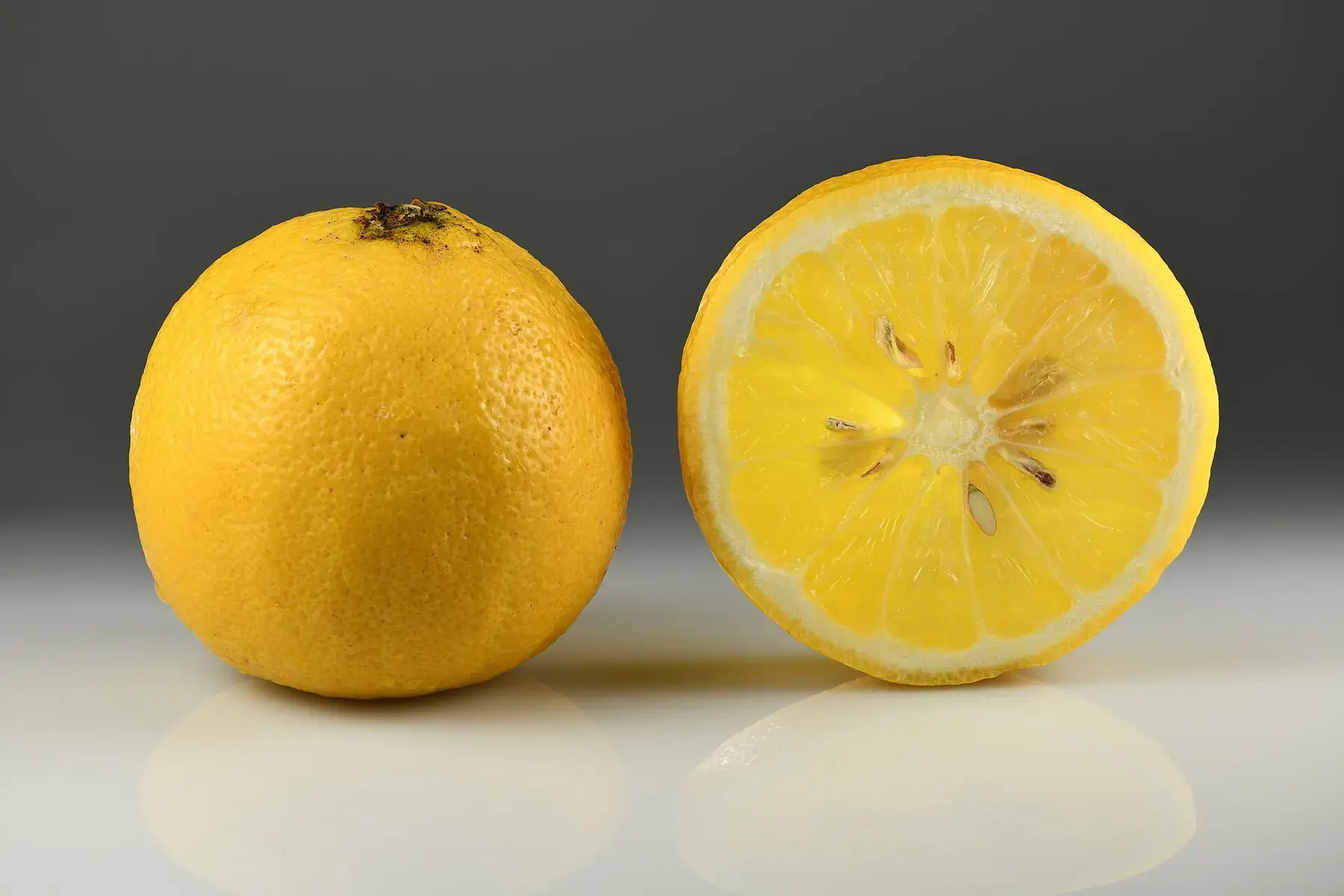
Citrus is the first thing most people smell when they spray a perfume. Perfumers place it at the top of a formula because citrus oils are made of small, light molecules that lift off skin quickly. That speed is both the appeal and the limit. A citrus opening feels bright and clean for the first stretch of wear, then hands over to the heart and base.
The raw materials
Most natural citrus oils are cold-pressed from the peel of the fruit. Bergamot, a small sour citrus grown mainly in Calabria in southern Italy, is the most important of them. It smells like a cross between lemon and bitter orange with a soft floral, almost tea-like side, and it is the same fruit that flavors Earl Grey tea. It appears in everything from classic colognes to modern chypres.
Lemon gives a sharper, zestier note. Sweet orange and mandarin are rounder and juicier. Grapefruit brings a bitter, slightly sulfurous tang, much of it from a molecule called nootkatone. Lime reads greener and more tropical, and yuzu, the Japanese citrus, sits somewhere between grapefruit and mandarin. Neroli and petitgrain come from the bitter orange tree too, from its blossoms and from its leaves and twigs, and they add a floral or green edge to many citrus blends.
Natural bergamot contains bergapten, a compound that can cause skin reactions in sunlight. Perfumers use bergapten-free versions, often labeled FCF, and IFRA standards limit these materials in finished products.
The aroma chemicals
Isolated and synthetic materials help citrus last longer and smell consistent from batch to batch. Limonene is the main component of most peel oils. Citral gives the lemony punch you also find in lemongrass. Linalool and linalyl acetate give bergamot its soft, floral facet. Dihydromyrcenol, a fresh, slightly metallic citrus-woody material, became a backbone of men's fresh fragrances in the 1980s and is a big part of the Cool Water style. Perfumers also pair citrus with musks and woody materials so the brightness has something to hold on to once the oils evaporate.
How citrus behaves on skin
Expect the citrus to be loudest in the first minutes and to soften a lot within the first hour. Dry skin and hot weather speed that up. If you love the opening of a cologne and wish it stayed, try spraying a scarf or the outside of a shirt, where evaporation is slower, or look for an eau de parfum or intense version of the same scent, which usually adds more base notes. Reapplying is also normal for this family. Classic eau de cologne was designed to be splashed on generously and often.
Famous citrus fragrances to know
- Acqua di Parma Colonia: a classic Italian cologne built on citrus, lavender and rosemary.
- Dior Eau Sauvage: lemon and bergamot over an airy jasmine heart, created by Edmond Roudnitska in 1966.
- Dolce & Gabbana Light Blue: Sicilian lemon and green apple, a long-running summer favorite.
- Tom Ford Neroli Portofino: bergamot, lemon and neroli in a polished Private Blend cologne.
- Hermès Un Jardin sur le Nil: grapefruit and green mango with a watery, green feel.
- Jo Malone Lime Basil & Mandarin: lime and peppery basil in a light, easy cologne.
When to wear citrus
Citrus works hardest in heat. It reads clean in the office, at brunch, on vacation and after the gym, and it rarely bothers the people around you. In winter, look for citrus blends with a woody or ambery base so the scent keeps some warmth after the top fades. Citrus also layers easily. A spray of a simple cologne over a woody or musky fragrance can freshen the start of something heavier.
When you shop citrus on Feelings of Scent, look closely at fill level and storage history, since bright top notes are usually the first part of a perfume to change with heat and age. Browse the Citrus & Fresh category to compare bottles, or take a quiz at Find Your Scent if you are unsure where citrus fits for you.