Notes · 3 min read
Floral Heart Notes: Embrace Elegance and Femininity in Every Spritz
Rose, jasmine, tuberose, iris and the molecules that rebuild them: a guide to the flowers at the center of perfume.
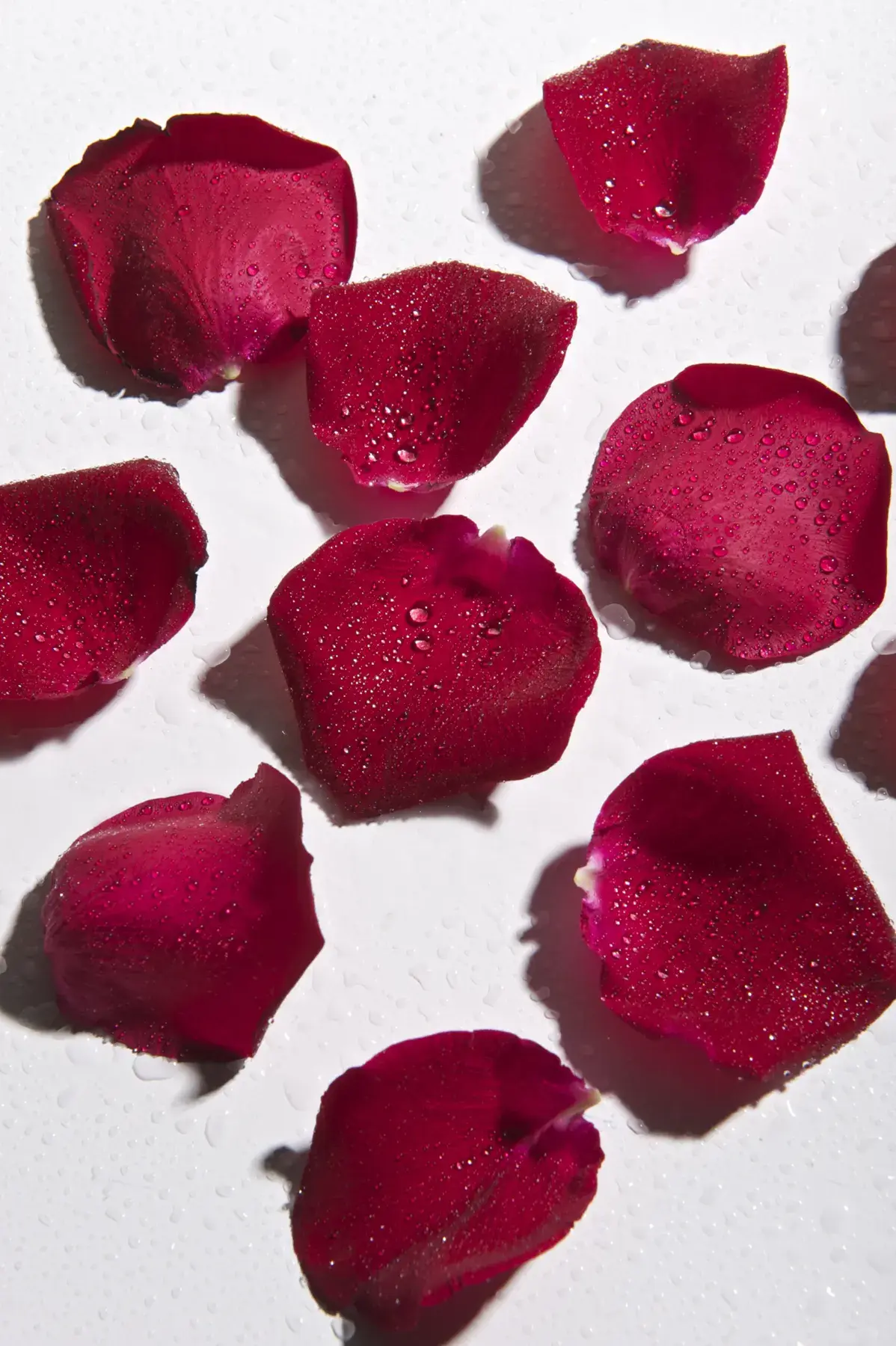
Flowers make up the heart of most perfumes. Heart notes, also called middle notes, come through once the top notes thin out, usually within the first several minutes, and they shape how a fragrance smells for the next few hours. Florals are the largest family in perfumery for good reason. Flower materials are expressive, they blend with almost anything, and they give a composition its personality.
The classic flower materials
Rose comes in two main forms. Rosa damascena is steam-distilled in Bulgaria and Turkey into rose otto, which smells bright, honeyed and slightly spicy. Rosa centifolia, grown around Grasse in France and in Morocco, is usually solvent-extracted into an absolute that smells deeper and more like a fresh bouquet. Both are expensive because it takes an enormous weight of petals to make a small amount of oil.
Jasmine is the other pillar. Jasminum grandiflorum smells rich, fruity and warm, while Jasminum sambac, used widely in India and the Middle East, is greener and more tea-like. Both contain indole, a compound that gives white flowers their heady, slightly animalic depth. Tuberose and orange blossom share that creamy, intoxicating white-flower character. Ylang-ylang, from Madagascar and the Comoros, adds a banana-like, custardy softness.
Iris is a special case. The scent comes from the rhizome, the root, which is dried and aged for years before it is distilled into orris butter. It smells powdery, cool and faintly of carrot and violet, and it is one of the most costly materials a perfumer can buy.
The molecules behind the bouquet
Some flowers give no usable oil at all. Lily of the valley, lilac and gardenia are mostly rebuilt from aroma chemicals. Hydroxycitronellal has long been used for lily of the valley, and several older materials for that note have been restricted or banned in the EU, which pushed perfumers toward newer alternatives. Phenylethyl alcohol, citronellol and geraniol form the base of most rose accords, while damascones and rose oxide add fruit and sparkle. Hedione, a jasmine-like material, gives air and radiance to countless florals. Ionones supply the scent of violet and also show up in iris accords.
How florals behave on skin
Florals usually last longer than citrus and carry the middle hours of wear. White florals project strongly and can fill a room, so one or two sprays is often enough. Rose and iris are more polite and stay nearer the skin. Skin chemistry matters here. The same jasmine can read fresh on one person and sweet or waxy on another, so testing on your own skin before buying a full bottle pays off.
Florals are worn by everyone. Rose appears in plenty of men's and unisex fragrances, and iris is the signature of several men's classics.
Famous floral fragrances to know
- Chanel No. 5: jasmine and rose lifted by aldehydes, launched in 1921.
- Dior J'adore: a smooth, fruity white floral with jasmine and ylang-ylang.
- Dior Diorissimo: Edmond Roudnitska's lily of the valley, released in 1956.
- Frédéric Malle Carnal Flower: a large, green, creamy tuberose.
- Frédéric Malle Portrait of a Lady: dark rose with patchouli and incense.
- Gucci Bloom: tuberose and jasmine in a soft, modern white floral.
When to wear florals
Spring is the natural season for florals, and they suit weddings, daytime events and dinners. Light rose and lily of the valley scents work well at the office. Big tuberose and jasmine fragrances shine in the evening and in cooler weather, when their warmth has room to open up. In heat, look for florals with a citrus or green opening to keep them light.
Browse the Floral Notes category on Feelings of Scent to compare bottles by fill level and price, or take one of the quizzes at Find Your Scent to see which flowers suit you.