
Notes · 3 min read
Woody Base Notes: Ground Yourself with Warmth and Sophistication
Sandalwood, cedar, vetiver, patchouli, oud and the synthetics that changed modern perfume, plus the woody classics to know.
Base notes are the materials you smell last and longest. They are heavier molecules that evaporate slowly, so they carry a fragrance through the afternoon and sometimes into the next morning on a sweater. Woods form the backbone of most bases, in men's, women's and unisex perfumes alike.
The natural woods
Sandalwood is the creamiest of them. The classic source, Santalum album from the Mysore region of India, was overharvested and is now tightly controlled, so much of today's natural sandalwood comes from Australian species and plantations. It smells milky, soft and slightly sweet, and it lasts for hours.
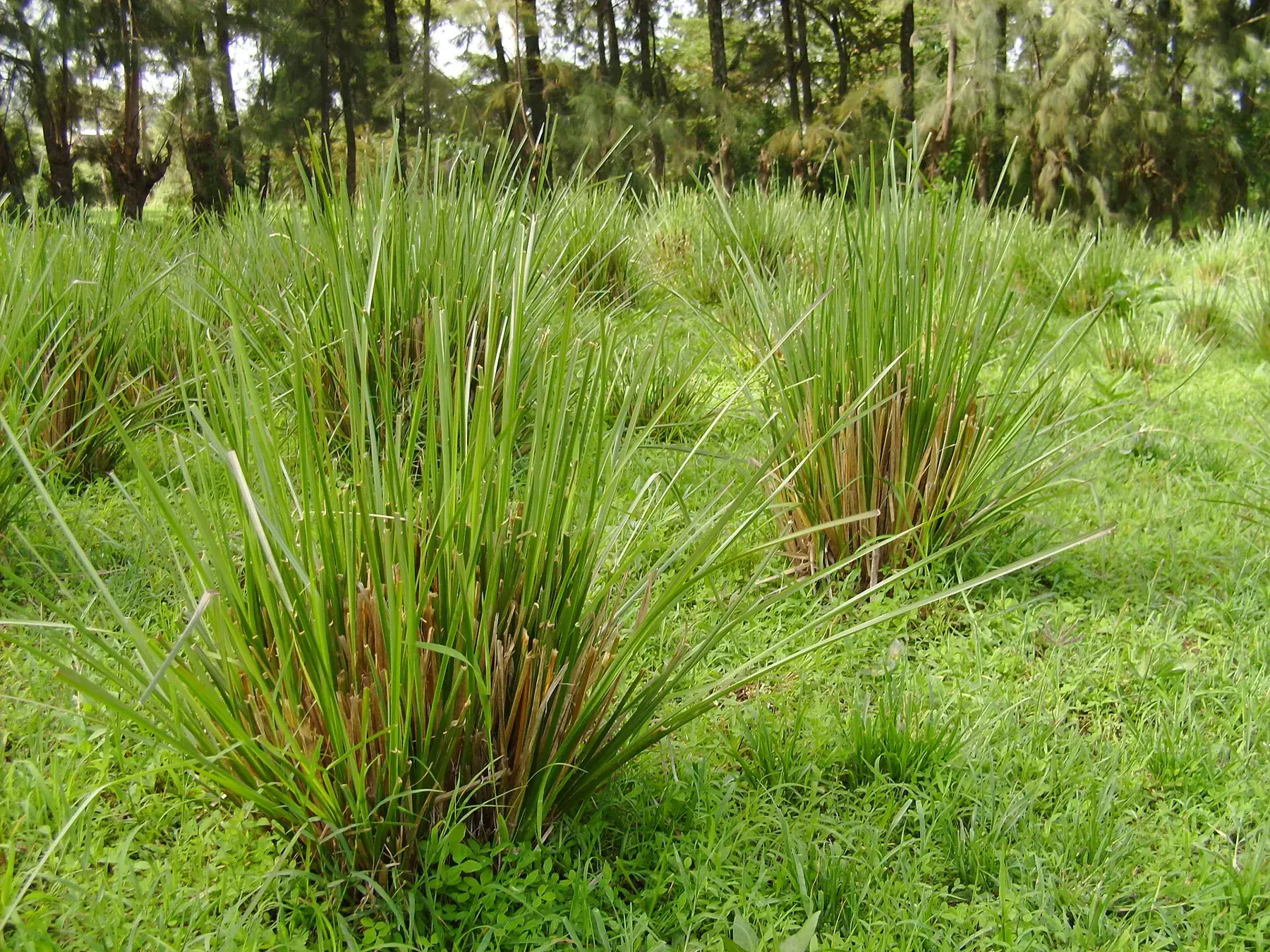
Cedarwood is drier and sharper. Virginia cedar smells like pencil shavings, while Atlas cedar from Morocco is warmer and a little honeyed. Vetiver is a grass, but its roots are distilled into an oil that reads woody, smoky and earthy, with a grapefruit-like freshness. Haiti is one of the main producers. Patchouli, from the leaves of a plant in the mint family, smells earthy, dark and slightly chocolatey, and it anchors a huge number of modern perfumes.
Oud, or agarwood, forms when certain Aquilaria trees in South and Southeast Asia become infected and produce a dark resin. Real oud oil is rare and expensive, and most oud notes in Western perfumes are built from synthetics and other woods. Guaiac wood adds a smoky, slightly rosy wood note, and cypress and pine add resinous freshness.
The woody aroma chemicals
Modern woody perfumes depend heavily on synthetics. Iso E Super smells like soft, velvety cedar and has a way of coming and going on skin, which is why some people say they stop smelling it after a while. Cashmeran is musky, woody and a little like warm fabric. Ambroxan, first developed as a substitute for ambergris, gives a mineral, salty, warm glow. Sandalwood synthetics such as Javanol, Ebanol and Sandalore help recreate that creamy wood at a sensible cost, and Norlimbanol adds a dry, rough woodiness.
How woods behave on skin
Woody notes are slow. They can feel quiet in the first minutes and grow as the top notes clear. Many woody fragrances settle close to the skin by midday and then linger for many hours. Because woods last, they also stay on clothes and scarves long after the skin scent has faded. If a woody perfume seems too faint on you, you may be partly anosmic to some woody synthetics, which is common with materials like Iso E Super and certain musks.
Famous woody fragrances to know
- Terre d'Hermès: orange, flinty minerals and vetiver over cedar, by Jean-Claude Ellena.
- Le Labo Santal 33: sandalwood, cardamom and a leathery dryness that defined a style.
- Guerlain Vetiver: a crisp, citrusy vetiver from 1959.
- Lalique Encre Noire: dark, inky vetiver at a modest price.
- Tom Ford Oud Wood: smooth, wearable oud with sandalwood and cardamom.
- Escentric Molecules Molecule 01: nothing but Iso E Super, for people who like it subtle.
When to wear woods
Woods suit autumn and winter, when cooler air lets the heavier notes come through without feeling thick. Lighter woods such as vetiver and cedar also work in spring and at the office. Sandalwood and oud blends suit evenings and special occasions. Woods layer well too. A woody base under a citrus or floral scent adds staying power.
Woody bottles tend to hold up well over time, which makes them a good buy pre-loved. Browse the Woody & Earthy category on Feelings of Scent to compare listings, or try a quiz at Find Your Scent.