
Notes · 3 min read
Earthy and Mossy Notes: Connect with Nature for Inner Peace
Oakmoss, patchouli, vetiver and the smell of rain: the materials behind the chypre and the forest-floor fragrances worth knowing.
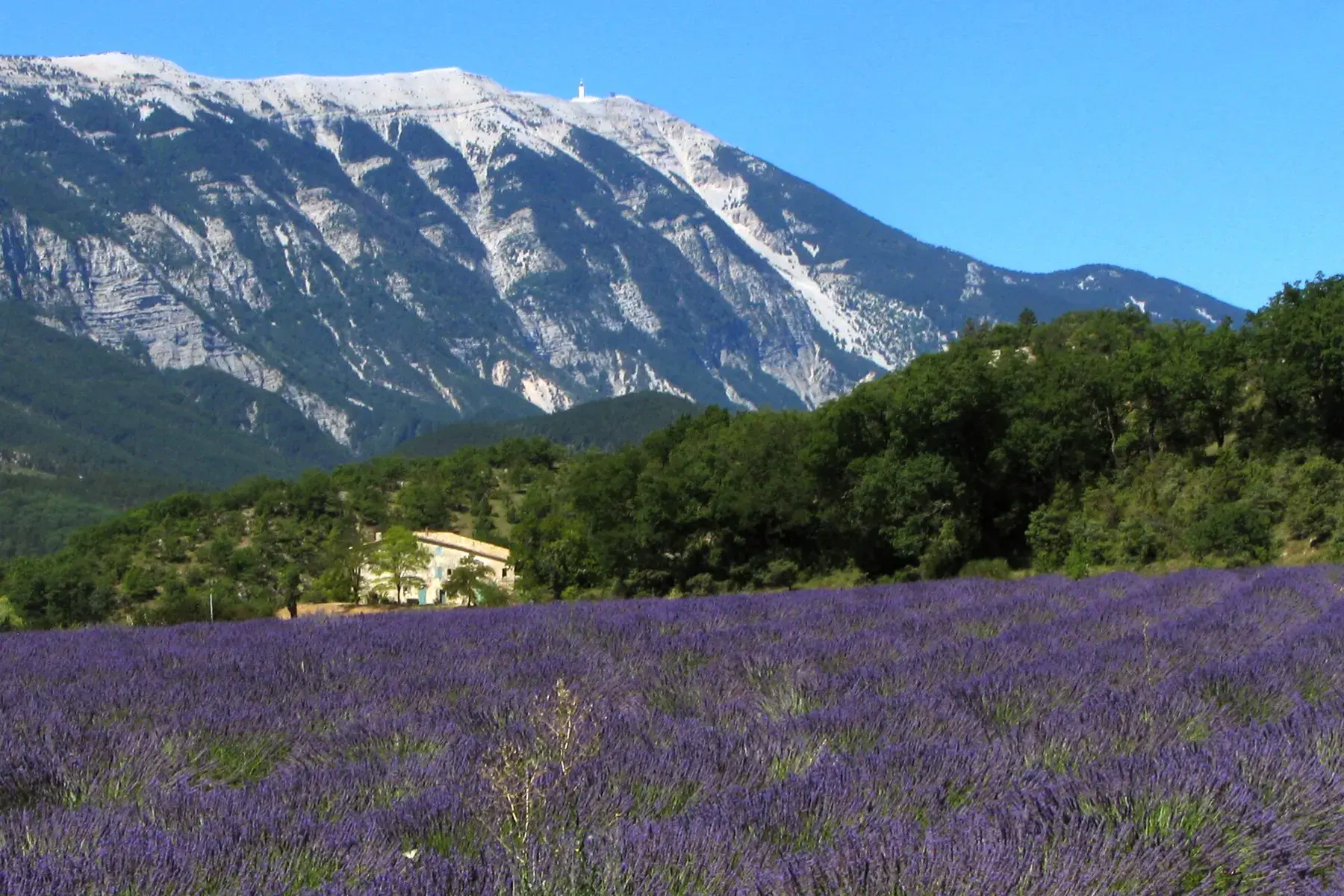
Earthy and mossy fragrances smell like a forest floor after rain: damp soil, moss on stone, roots, leaves and bark. They use some of the most traditional notes in perfumery and some of the most debated, because the most famous of them, oakmoss, has been restricted for years.
Oakmoss and the chypre
Oakmoss is a lichen, Evernia prunastri, that grows on oak trees in central and southern Europe. Its extract smells damp, inky, salty and slightly sweet, like a cool forest. Treemoss, a related lichen that grows on conifers, is similar but sharper. Oakmoss is the base of the chypre structure, which pairs bright bergamot with labdanum and oakmoss. Coty Chypre from 1917 gave the style its name, and Guerlain Mitsouko followed in 1919.
Natural oakmoss contains atranol and chloroatranol, which can cause skin allergies. IFRA standards limit how much oakmoss a perfume can contain, and suppliers now offer low-atranol versions. Many classic chypres were reformulated as a result, and perfumers often rebuild the mossy effect with synthetics such as Evernyl, supported by patchouli and vetiver. This is one reason older bottles of chypres interest collectors.
The earthy materials
Patchouli brings a dark, damp, earthy depth. Vetiver root smells like soil and smoke with a grassy freshness. Cypriol, also called nagarmotha, from the roots of a sedge, is earthy, woody and leathery. Orris root adds a cool, buttery earthiness. Geosmin, the compound behind the smell of rain on dry ground and the earthy taste of beets, is so powerful that perfumers use it in tiny traces. Mushroom, beetroot and wet stone notes appear in some niche fragrances too.
How earthy notes behave on skin
Earthy and mossy notes sit in the heart and base, so they last. They can feel austere at first, especially in chypres, then soften into a warm, slightly powdery drydown. On some skin, patchouli and vetiver read sweet. On others they stay dry and rooty. These fragrances reward patience, so smell them again after an hour before deciding.
Famous earthy and mossy fragrances to know
- Guerlain Mitsouko: peach, oakmoss and spice in one of the oldest chypres still made.
- Clinique Aromatics Elixir: herbs, rose and patchouli in a bold chypre from 1971.
- Chanel 31 Rue Cambon: a softer, modern chypre from the Les Exclusifs line.
- Sisley Eau du Soir: a rich, mossy floral chypre.
- Chanel Pour Monsieur: a crisp, mossy citrus classic for men.
When to wear earthy notes
Autumn is the natural season, along with rainy spring days. Earthy scents suit walks, weekends outside, bookish afternoons and quieter evenings. Chypres also have a polished side that works with tailoring and at formal events. In summer heat, choose lighter vetiver or green-mossy fragrances over heavy patchouli.
If you find a classic chypre too sharp, spray from a little farther away for a thinner, more even layer, or apply it to clothing, where the opening feels gentler.
Older bottles and discontinued formulas of mossy classics turn up on the resale market. Browse Woody & Earthy on Feelings of Scent, and ask sellers for batch codes if a specific formula matters to you.